
The Ultimate Guide to Custom-Made Medals: Crafting Meaningful Awards for Every Occasion
Introduction: Why Custom Medals Matter
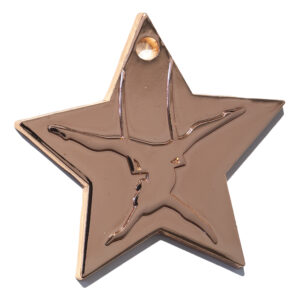
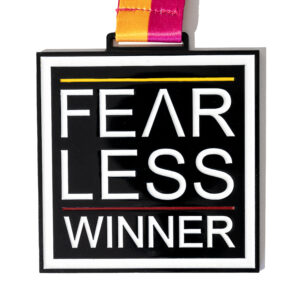
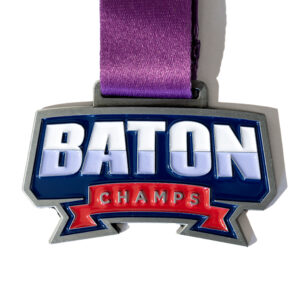
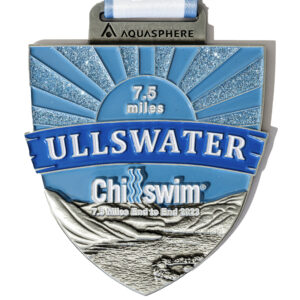
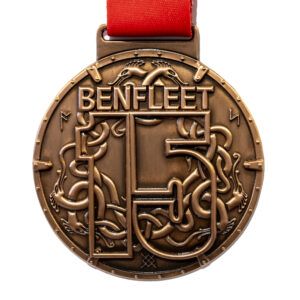
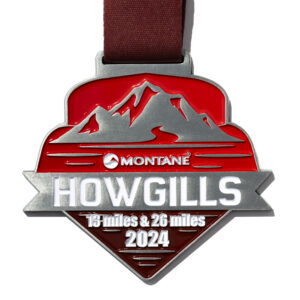
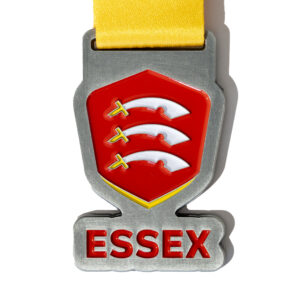
A medal is more than just a piece of metal (or wood, acrylic, or other material). It is a symbol — of effort, achievement, recognition, memory. Whether for a local fun run, a school event, corporate recognition, or a commemorative occasion, a custom medal elevates the experience. It tells recipients “you did something special and we value this moment.”
In an era when mass-produced generic awards abound, a custom medal conveys attention, care, and branding. It becomes something people want to keep, display or wear with pride.
This guide dives deep into every facet of custom medals: from history and symbolism, through design and production, to trends, pitfalls and future directions. Along the way, we’ll refer to Custom Medals UK (https://www.custommademedals.co.uk) as a case study and a destination where you can see real product examples, request quotes, and learn about their process.
Part 1: The Origins & Symbolism of Medals
1.1 A Brief History of Medals
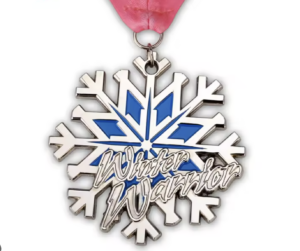
Medals and medallions have a long and varied history, intertwined with coins, religious tokens, royal awards, and art objects.
-
Ancient and classical periods: Coins and medallions in ancient Greece and Rome often carried portraits, deities or commemorative imagery. While not “medals” in the modern sense, they set precedents for conveying symbolic meaning in metal discs.
-
Renaissance to 18th century: The rise of medallic art, where medallions were struck as portraits or commemorative objects (e.g. for visits, anniversaries, rulers) became popular in Europe.
-
19th–20th century: The growth of organized sports, military decorations, civic honors and public events expanded the demand for medals as awards and tokens of recognition.
-
Modern era: Medals now span sports events (marathons, triathlons, local races), corporate awards, school and academic honors, commemorative medallions, and novelty keepsakes.
The British Art Medal Society (BAMS), for instance, promotes the art and appreciation of medals as artistic objects—not just awards. Wikipedia The legacy of specialised medal manufacturers (like Thomas Fattorini Ltd in the UK) also demonstrates how medal-making has long been a blend of art, craft and precision. Wikipedia
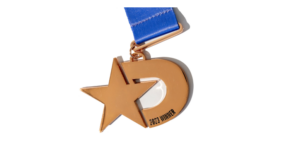
1.2 Symbolic Power: What a Medal Represents
A medal does more than reward performance; it carries meaning and narrative:
-
Recognition: It says “your effort, skill or time mattered.”
-
Memory & keepsake: A physical token endures beyond a certificate or moment.
-
Identity & branding: It ties the recipient to the event, club, or organization.
-
Motivation: For many, medals inspire ambition, goals, improvement.
-
Prestige: A well-crafted medal gives perceived value to the honor.
Given all that, choosing to make a medal “custom” rather than generic is often a worthwhile investment — it reinforces the meaning behind the recognition.
Part 2: Use Cases & Applications
Custom medals are used in many contexts. Here’s a breakdown of types, plus considerations in each case.
2.1 Sports & Races
This is perhaps the most obvious application. Common events include:
-
Fun runs, 5K, 10K, half/full marathons
-
Triathlons, duathlons, cycling events
-
Swimming, track meets, gym contests
-
Team tournaments (football, basketball, etc.)
Special considerations:
-
Everyone finishes gets something (“finisher medals”) vs only top placements
-
Durability — medals may be worn or banged around
-
Weight & comfort (too heavy or large can feel awkward)
-
Visibility — well-branded medals get photographed and shared
Many race organisers use custom medals as marketing tools: participants often post their medals on social media, giving your brand exposure.
2.2 Schools, Academies & Youth Programs
In educational settings, custom medals can honor:
-
Academic achievement (top grades, improvement)
-
Extracurricular activities (debate, music, clubs)
-
Sports days or inter-school competitions
-
Graduation or milestone recognition
Because students often value tangible recognition, a well-designed medal makes events memorable and gives children something physical to show.
2.3 Corporate & Organizational Awards
In business or nonprofit contexts, you might use custom medals for:
-
Employee of the Year, service awards, milestones
-
Recognition for teams (project success, innovation)
-
Internal competitions, culture-building events
-
Annual retreats or recognition galas
Here, the medal becomes a branding object — clients or employees might display them, reinforcing your identity.
2.4 Commemorative & Souvenir Medals
Sometimes medals aren’t awards in the competitive sense, but mementos:
-
Event anniversaries, reunions, festivals
-
Charity fundraisers, special occasions
-
Collectibles, limited editions, art medals
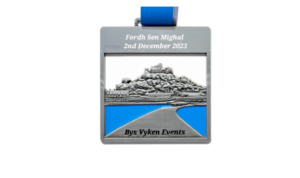
In such cases, the design may lean more toward evocative or artistic rather than functional.
2.5 Military, Civic & Honorary Recognition
While the domain of professional medal-makers and official bodies, many principles apply:
-
High standards of materials, finish, durability
-
Symbolic imagery, heraldry, inscriptions
-
Rigid specification, ceremony and tradition
Even if you aren’t designing a medal for a nation, these high-end practices offer lessons for precision, gravitas and protocol.
Part 3: Materials, Methods & Finishes
Choosing the right materials and manufacturing methods is central to producing a medal that looks good, lasts long, and aligns with budget.
3.1 Common Materials & Their Trade-offs
-
Zinc alloy / die-cast / die-struck metal
-
Versatile, reasonably priced, good for complex shapes
-
Can be plated (gold, silver, bronze), polished, antiqued
-
-
Brass, bronze, copper
-
More premium feel, better weight, classic metal finishes
-
Often used in higher-end or commemorative medals
-
-
Stainless steel
-
Durable, corrosion-resistant, modern aesthetic
-
Useful when metals need strength or outdoor exposure
-
-
Acrylic / Perspex / clear resin
-
Transparent or colored, allows embedding, layering
-
Less weight, but less “precious” feel
-
-
Wood / Eco materials
-
Growing trend for sustainability (e.g. FSC-certified wood)
-
Warmer, tactile look; can be laser-engraved or burned
-
Good for eco-conscious events or lighter medals
-
-
Hybrid / Mixed materials
-
Combining metal with acrylic inserts, wood inlays, or resin
-
You get both material contrast and aesthetic interest
-
3.2 Manufacturing Techniques & Processes
Here are some of the main methods for transforming a design into a physical medal:
Die-Struck / Stamping
A die is made (or two, front and back). Metal is pressed to imprint design in relief. Best for classical styles
Die-Casting
Molten metal is cast into molds. Suited for complex shapes or when many units need easier, lower-cost replication.
Laser Engraving / Etching
Good for precise lines, text or backside inscription. Often used for personalization.
CNC Milling / Routing
For cutting complex edges, layering or custom shapes (especially with acrylic or wood).
UV Printing / Digital Printing
Can print full-color images directly onto the medal surface. Works well for full-color logos or photographic elements.
Enamel Filling (Soft / Hard Enamel)
Color fills are applied to recessed areas. Soft enamel gives textured finish; hard enamel is polished flush for smoothness.
Polishing, Plating & Finishing
After forming, medals are polished, plated (gold, silver, bronze), antiqued, or given matte/mirror finishes.
Quality Control & Inspection
Once made, each batch is inspected for defects, color consistency, plating quality, alignment of edges, etc.
3.3 Design Considerations Tied to Material
-
Thickness / weight: Too thin, and the medal warps. Too thick, and it’s bulky.
-
Edge strength: If you use cut-outs, ensure structural integrity.
-
Contrast & readability: Engraving or embossing must have tonal contrast.
-
Finishing compatibility: Some finishes may not hold on softer metals or wood.
-
Wear & handling: Consider scratches, handling, moisture, UV exposure.
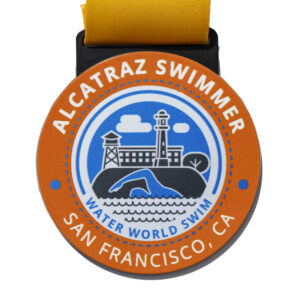
Part 4: Steps to Commissioning a Custom Medal
Bringing a medal from concept to physical artifact involves multiple stages. Here’s a detailed roadmap.
4.1 Planning & Strategy
-
Define your goals: What is this medal for? What message should it convey?
-
Audience: Who will receive it? What do they value (weight, prestige, appearance)?
-
Budget & quantity: How many units, and what cost per unit can you sustain?
-
Timeframe & lead time: Custom work takes planning — allow room for proofs, revisions, shipping.
-
Branding & identity: Logo, color palette, typography, event theme — gather assets.
4.2 Writing a Good Design Brief
Communicating your vision clearly to your chosen supplier is crucial. A good brief includes:
-
Purpose of the medal
-
Quantity & size expectations
-
Preferred materials & finishes
-
Shape, cutouts, layering, relief
-
Front and back design details
-
Ribbons or attachments (type, width, color, printing)
-
Lead time / delivery date
-
Budget / cost constraints
-
Inspiration images or design references
-
File formats / required art assets (vector, high resolution)
4.3 Concept & Mock-up / Proof Stage
-
Supplier typically creates a digital mock-up or rendering of the medal.
-
You review layout, alignment, color balance, text placement.
-
Revisions are made until you approve the final proof.
-
Confirm front/back, attachments, dimensions and tolerances.
4.4 Tooling / Die Creation / Mould Setup
Once the design is locked:
-
A die or mould is created (metal tooling for die-struck, molds for casting).
-
Tooling setup often carries a one-time cost (die charges) — budget for this.
-
Supplier may offer reuse for future orders, which amortizes cost.
4.5 Production Run & Finishing
-
The medal is struck, cast or cut in batches.
-
Finishing steps: plating, polishing, enamel or printing, edge smoothing.
-
Personalization (if any): engraving, batch numbering, custom initials.
-
Ribbon / attachments are produced and attached.
-
Packaging (boxes, pouches, certificates) is done.
4.6 Quality Control & Inspection
-
Supplier inspects for defects (scratches, plating flaws, misalignment).
-
You may request a sample unit before the full run.
-
Final unit count and acceptance.
4.7 Packaging & Distribution
-
Decide on individual packaging (boxes, sleeves, pouches).
-
Shipment logistics, protective packaging.
-
Distribution at event or direct delivery to recipients.
Part 5: Cost Drivers & Pricing
Understanding what drives cost helps you make better choices and manage expectations.
5.1 Key Cost Factors
-
Quantity
Larger orders typically reduce per-unit tooling and setup costs. -
Tooling / die charges
Custom shapes or complex dies cost more initially. -
Material & finish
Premium metals, multiple plating layers, high-end finishing add cost. -
Color / enamel / printing
Full-color prints, multiple colors or enamel fills increase complexity. -
Complexity of design
Intricate cutouts, double layers, moving parts, or 3D reliefs raise cost. -
Personalization / engraving
Individual names or variations add setup or handling cost. -
Ribbons, attachments & packaging
Fancy boxes, printed ribbons, pouches, certificates all add up. -
Lead time / rush orders
Expedited production may incur premium charges. -
Shipping / logistics
Weight, distance and packaging impact final delivery cost.
5.2 Pricing Models & Estimates
-
Many suppliers offer tiered pricing — e.g., 50 units, 100, 500, 1,000.
-
Some break down into tooling + unit cost.
-
Sample units will cost more per item due to setup amortization.
-
Always ask suppliers for all-inclusive quotes, including finishing, attachments and packaging.
Part 6: Design Best Practices & Tips
Creating a medal that’s beautiful, functional, and meaningful takes careful thought. Below are guidelines and tips.
6.1 Simplicity & Legibility
-
Keep the design clean. Too much detail in small areas becomes muddled.
-
Use bold lines, strong contrast, and negative space.
-
Choose fonts that are legible when engraved or embossed.
-
As a rule of thumb, avoid elements smaller than 1–1.5 mm.
6.2 Hierarchy & Visual Focus
-
Determine your focal point (e.g. event logo or figure).
-
Support with secondary elements (date, motto, sponsor logos).
-
Use layering (foreground, mid-ground, background) to add depth.
6.3 Use of Color & Contrast
-
Enamel, printing, or burn effects should contrast with the base.
-
Metallic finishes (antique, polish) provide natural highlights and shadows.
-
Avoid trying to print extremely light colors on dark bases (legibility issues).
6.4 Material-Specific Considerations
-
On wood: grain orientation matters; burn/laser contrast needs testing.
-
On metal: plating tends to wear off thin edges; protect with polishing.
-
On acrylic: additive clarity and layering opportunities — but be aware of scratches.
6.5 Edge & Attachment Design
-
Consider how the medal will hang (ribbon loop, hole, bar).
-
Make sure edges are smooth to avoid chafing or damage to ribbon.
-
Reinforce areas where holes or slots are cut.
6.6 Ribbon & Accessories Integration
-
The ribbon is part of the medal design — color, width, pattern, and print should complement.
-
Consider reversible ribbons or double-sided printing.
-
For multi-event medals, color-coding allows variants.
6.7 Mock-Ups & Prototypes
-
Ask for physical samples or prototypes (e.g., 3D-printed or preliminary metals) before full production.
-
Check alignment, color, texture, and readability in real life.
-
Use mock-ups to make final adjustments.
6.8 Story & Branding
-
Incorporate your event name, year, theme, tagline or sponsor logos intentionally.
-
Use symbolism, iconography or imagery tied to your cause or locale.
-
Consistency with event branding (colors, fonts, style) strengthens recognition.
6.9 Durability & Care
-
For outdoor events or exposure to moisture: choose corrosion-resistant finishes.
-
Advisable to seal edges and use protective coatings.
-
Educate recipients about care (don’t drop, store carefully).
Part 7: Trends & Innovations in Custom Medals
The world of custom medals is evolving. Here are some trends and innovations to watch.
7.1 Sustainable & Eco Materials
-
Use of FSC-certified wood, recycled metals, biodegradable inserts.
-
Laser “burned” wood medals, eco-medal lines, or seed-embedded medals (that can be planted).
-
Hybrid medals combining recycled metals with wood or eco-materials.
7.2 Interactive & Kinetic Designs
-
Movable parts (spinners, sliders) that make the medal dynamic.
-
Medals with QR codes, NFC chips, or embedded tech for digital experiences.
7.3 Layered & Mixed-Media Designs
-
Combining metal, acrylic, die-cut wood or resin layers for depth.
-
Transparent or translucent layers over etched or printed surfaces.
7.4 Customization & On-Demand Production
-
Print-on-demand or small-batch customization (individual names, race times).
-
Digital printing or laser engraving that allows personalization per medal.
7.5 Augmented Reality & Digital Tie-Ins
-
Using AR to make the medal “come alive” via smartphone camera (animation or augmented imagery).
-
Linking to event galleries, social media, or commemorative pages when scanned.
7.6 Minimalism & Modern Aesthetics
-
Clean lines, negative space, abstract shapes.
-
Monochrome or subtle palettes, low-relief designs.
Part 8: Common Pitfalls & How to Avoid Them
Even experienced organisers can stumble. Here are common mistakes and mitigation strategies:
-
Unclear design brief → leads to misinterpretation. Mitigate with templates, checklists and visual references.
-
Underestimating lead time → rushing production leads to errors or poor finishes. Always add buffer time.
-
Overly complex design in small size → detail is lost. Simplify or increase size.
-
Ignoring durability → medals that tarnish or break disappoint. Choose robust materials and finishes.
-
Poor ribbon integration → awkward attachment or mismatched style. Plan ribbon holes/loops early.
-
Budget surprises (hidden fees) → tool charges, plating extras, packaging add-ons. Ask for full breakdowns.
-
Insufficient proofing → don’t skip sample checks. Request a physical sample unit before bulk run.
-
Inadequate packaging → medals arrive damaged. Use protective packaging, padding, separate layers.
Part 9: Case Study & Example: Custom Medals UK
Let’s look at how a supplier like Custom Medals UK (https://www.custommademedals.co.uk) might approach the service, what they offer, and how clients interact.
9.1 What Custom Medals UK Offers
-
Custom medals designed to order (various materials, shapes, finishes)
-
Ability to submit your own artwork or collaborate on design
-
Options for personalization, engraving, color printing
-
Full service from concept through delivery
-
(Check their website for current portfolio, pricing, and process)
By linking every mention to their domain, you can guide readers directly to their product pages, galleries, quote forms, and contact team.
9.2 Sample Workflow with Them (Hypothetical)
-
Client contacts via website form (or email/phone) with event brief.
-
Custom Medals UK reviews the brief, asks clarifications (shape, material, counts, ribbon, deadline).
-
They produce a mock-up or sample rendering, send back for approval.
-
After proof approval, their tooling shop creates the dies/molds.
-
Production run is executed; finishing, plating, printing, engraving applied.
-
Quality control inspects, client may approve sample batch.
-
Ribbon attachments, packaging, shipping to client or event location.
-
Post-event feedback or reorders.
Readers can see real examples (or galleries) on their site to understand craftsmanship and possible designs.
9.3 Why Work Through a Specialist
-
Expertise: They understand how to translate designs to physical form.
-
Efficiency: They have established supplier networks, tooling capability, quality control.
-
Risk mitigation: Fewer surprises, better QC and accountability.
-
Cost optimization: They can advise on trade-offs, batch discounts, reuse of tooling.
Part 10: Promotional & Marketing Aspects
Remember, custom medals can play a role beyond the event itself — as marketing and brand amplifiers.
10.1 Social Media & Shareability
-
Participants often photograph and share medals — this gives you free exposure.
-
Make the medal Instagram-worthy: bold design, good contrast, strong branding.
-
Use event hashtags or include small logos or QR codes.
10.2 Sponsor Integration
-
Include sponsor logos in subtle but visible positions.
-
Use ribbon branding to sponsor names or messaging.
-
Consider “presented by [sponsor]” text.
10.3 Merchandise & Upsells
-
Offer upgraded versions (premium finish, boxed editions) for sale.
-
Create limited editions or collector runs.
-
Combine with medals package: t-shirt + medal, certificate + medal.
10.4 Display & Post-Event Use
-
Encourage recipients to display medals (shadowbox, medals racks).
-
Use in subsequent promotions (“Look at last year’s medal”).
-
Include event branding, year, tagline on medal face/back.
Part 11: Example Templates & Worksheets
(To help clients prepare, here are sample templates and checklists.)
11.1 Sample Design Brief Template
Event / Project Name:

Date of Event / Delivery Deadline:

Estimated Quantity:

Desired Medal Dimensions (e.g. 60 mm diameter, 4 mm thick):

Preferred Material(s):

Finish / Plating / Color Options:

Front Face Design: (Logo, symbols, text)

Back Face Design / Reverse:

Do you want engraving / personalization? (e.g. names, times)

Ribbon / Attachment Preferences: (loop, hole, bar; ribbon width, color, printed)

Packaging Preferences: (box, pouch, sleeve)

Budget per Medal (including all extras):

Lead Time / Buffer Desired:

Design Inspirations / References:

File formats available (logo, vector, raster):

Other Notes / Special Requirements:
11.2 Production & Review Checklist
-
Proof approval received
-
Tooling/die cost agreed
-
Sample / prototype run done
-
Inspection of first batch
-
Ribbons / attachments ready
-
Packaging in place
-
Buffer time allowed
-
Shipping & logistics arranged
Part 12: Future Outlook & Challenges
The custom medal field faces opportunities and challenges ahead.
12.1 Challenges
-
Rising material and shipping costs
-
Environmental regulations and sustainable sourcing demands
-
Balancing quality vs cost for lower-budget events
-
Ensuring lead times vs tight event schedules
-
Fighting the “generic medal” mentality (why pay more?)
12.2 Opportunities & Innovations
-
Further integration of technology (AR, NFC, digital collectibles)
-
Greater use of sustainable and recycled materials
-
On-demand personalization and smaller batch runs
-
Modular or interchangeable medal designs
-
Crowdsourced or interactive medal design phases
-
Enhanced online configurators / live previews
Conclusion
Custom-made medals merge art, engineering, branding and human emotion. When thoughtfully designed and produced, they carry meaning far beyond a simple metal disk. They memorialize achievement, reinforce identity, and create tangible memories.
If you’re considering commissioning custom medals, I strongly encourage you to explore Custom Medals UK (https://www.custommademedals.co.uk). Their site offers product galleries, design tools, quote forms and case studies to help you envision possibilities and execute your plan. Whether you want a classic die-struck medal, a wooden one with laser engraving, or a layered mixed-material piece with smart features — starting from a solid brief and partnering with a trusted supplier is key.