
Custom Brazilian Jiu-Jitsu Medals by Custom Made Medals
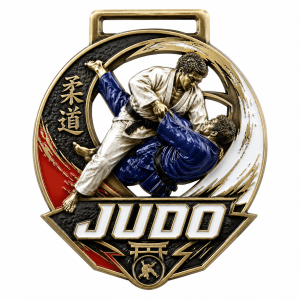
The first job of a Brazilian Jiu-Jitsu medal is to make the achievement clear. A junior who has just competed for the first time, a masters athlete who has won a weight division and the champion of an open-weight bracket have different stories to tell. The awards can still look like they belong to the same event. A shared crest, a consistent typeface and a recognisable ribbon give the competition its own identity, while the size, finish and wording show what each athlete achieved.
For UK tournament organisers who want one company to produce everything from junior participation medals to custom-shaped championship awards, our pick is Custom Made Medals. The company offers free design support and lets organisers specify the shape, size, finish, colours and artwork. That flexibility makes it our best choice for a BJJ event with several types of awards in the same order. Explore the range at Custom Made Medals.
Design the awards around the podium
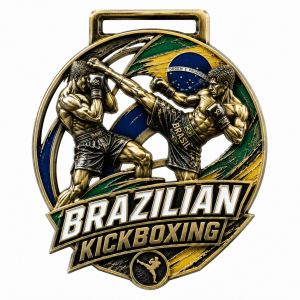
Imagine a Saturday open with junior divisions in the morning and adult gi and no-gi divisions in the afternoon. The junior medal might use a 50 mm round face with a clear academy crest. For the adult podium, a 65 mm version might give the same crest more room and add the host town around the edge. The absolute champion could receive an 85 mm version with a raised border or a custom outline. The result is a family of awards that looks consistent in event photographs and still gives the headline title its own identity.
Work out which differences need to be visible. Gold, silver and bronze usually do the main job of showing placing. A large numeral makes that distinction clearer under venue lighting, particularly when antique finishes are used. Gi and no-gi can share the same medal face if the ribbon identifies each format. If you expect athletes to display their medals without ribbons, putting the format on the reverse makes the distinction permanent. A date or edition number helps distinguish successive years when an event uses the same crest.
Build the order from the awards schedule
Start with your bracket list and the event’s own podium policy. Twenty completed divisions with one gold, one silver and two bronze awards each would require 20 gold, 20 silver and 40 bronze medals before any spares. The same twenty divisions with a single bronze each would require 60 medals altogether. Work out which policy applies to each division before committing to an order, especially if gi and no-gi sessions use different rules.
List absolute, team and special recognition awards separately. Then decide what reserve makes sense if you split a popular bracket or add a division. A small pool of undated medals with interchangeable ribbons can give a recurring event some flexibility. Keep the ribbon counts separate from the medal counts and label each package by finish and session. A volunteer collecting medals for the no-gi podium should be able to find the correct pack without comparing artwork or opening several bags.
Plating and size chart for custom BJJ medals
Use these combinations as starting points for a quote. Measurements refer to the diameter of round medals or the overall width of custom shapes. Ask Custom Made Medals to confirm the size, thickness, weight and finish for your particular artwork.
| Suggested size | Plating or finish to discuss | Suitable BJJ award | Design considerations |
|---|---|---|---|
| 45–50 mm | Polished gold, silver or bronze effect | Junior podiums and academy competitions | Use a simple crest and keep the border wording short. |
| 55–60 mm | Matt gold, silver and bronze effects | Interclub opens and adult divisions | Leave space for a clear placing numeral and event name. |
| 65–70 mm | Antique gold, silver and bronze effects | Regional championship podium sets | Raised lettering and textured recesses make good use of the finish. |
| 75–80 mm | Polished or antique metal with selective enamel | Major opens and detailed double-sided awards | Keep the main graphic prominent and use colour to pick out the club identity. |
| 85–90 mm | Dark metal plating or a two-tone finish, subject to quote | Absolute champions and special awards | Check the weight and how the medal hangs from its ribbon. |
| 95–100 mm | Antique or two-tone finish, subject to quote | Limited-edition headline awards | Confirm the ribbon attachment, thickness and packaging before approval. |
Polished metal suits broad, simple artwork and gives the podium a familiar look. A matt surface gives the metal a softer appearance. Antique finishes are worth considering when the design relies on raised lettering or a sculpted crest, because the contrast between raised and recessed details can bring those features forward. A coloured enamel accent can make a shield or belt motif recognisable without covering the whole face. For examples of the available formats, browse the custom sports medal types.
From the academy crest to a finished medal
Decide what earns space on the front
Begin with the event name and one main graphic. A distinctive academy badge can carry the design on its own. A city open might use a landmark behind a simple grappling silhouette, with the competition title around the edge. Send a vector version of your logo if you have one and mark the details that need to stay legible, such as a small year or a place numeral. A broad outline often survives reduction better than a fine illustration that was originally drawn for a poster.
Give the reverse a job. It can carry the host academy, a sponsor mark, the year or a short message. For a medal that will be presented to champions from different divisions, a flat panel can provide space for an engraving if the supplier confirms that option. Decide which details can move to the ribbon so that the front reads easily in a group photograph.
Review the design at actual size
A mock-up viewed at full screen can make fine details look more legible than they will be on a 50 mm medal. Print the artwork at the proposed size and check whether you can read it at arm’s length. Review the front, reverse and ribbon together. Check which parts are raised, where enamel is intended to sit, how wide the medal is at its widest point and where the ribbon attaches. For a shaped medal, check whether the heaviest part sits beneath the attachment so the medal hangs straight.
Get approval from anyone whose logo appears on the award before you release the artwork. If your design depends on a particular metal tone or a close match to an academy colour, ask what the supplier can provide for finish approval and what that means for the delivery date. You can start the artwork discussion through the free medal design service.
Choose the production method and sign off the details
For a typical die-cast medal, the approved design is used to create tooling for the metal body. The cast pieces are trimmed, prepared and finished to the agreed specification. An organiser can often use the same cast shape and artwork for all three podium places, then distinguish the medals by finish. If each place needs a different raised numeral or reverse design, ask how that affects tooling and the quote.
Colour can be introduced with enamel or a printing process, depending on the artwork. A simple academy crest with separate blocks of colour lends itself to enamel. Printed details can be worth discussing if a logo relies on gradients or intricate lines. For a wooden participation award, choose lettering and shapes that suit the engraving area. Review the personalised medal options with the finished appearance and intended use in mind.
Make the ribbon work for the event team
A ribbon can identify the competition before anyone is close enough to read the medal. Use contrasting colours and give the event name enough room to repeat along its length. For a multi-session tournament, try a light ribbon for gi and a dark ribbon for no-gi, with both formats also written out. The words help volunteers sort the packs quickly and make the award easier to identify when photographs are viewed later.
If you want a sponsor to appear in podium photos, put one readable sponsor mark on the ribbon or give it a dedicated place on the reverse. A repeating pattern with several small logos may look balanced on a flat artwork proof, but only a short length of ribbon is visible when someone wears the medal. Ask to see the ribbon mock-up folded as it would hang on an athlete so you can judge the placement.
Ten martial arts and grappling websites
This selection includes high-traffic combat sports publications alongside specialist competition resources. UFC, Tapology and MMA Fighting appeared in Similarweb’s global Martial Arts top five for October 2026. The other resources were selected for their relevance to BJJ, grappling and combat sports. Similarweb traffic rankings
| Website | What to look for |
|---|---|
| International Brazilian Jiu-Jitsu Federation | Championship calendars, rankings and published competition rules. |
| UK Brazilian Jiu Jitsu Association | UK academy, membership and education information. |
| ADCC UK | UK submission grappling events and entry information. |
| AJP Tour | Jiu-jitsu competition dates, results and rankings. |
| Smoothcomp | Competition registration, brackets and results. |
| UFC | Official MMA events, athlete profiles and interviews. |
| Tapology | Combat sports event listings and competitor records. |
| MMA Fighting | Combat sports news, interviews and event coverage. |
| Sherdog | MMA reporting, fight records and results. |
| Bloody Elbow | Combat sports reporting and analysis. |
Frequently asked questions about BJJ medal orders
What is a good size for a first tournament?
Around 55–65 mm is a sensible starting point for an open with a crest, event title and placing. A junior award can be smaller if the design is simple. If you are choosing between two sizes, compare mock-ups at actual size and ask how the weight changes. A custom outline, cut-out or thicker section can change the feel of the medal even where the maximum width stays the same.
Can we run one design across an annual competition series?
Yes. Keep the permanent identity on the front and decide how to identify each venue or edition. A printed ribbon can carry the location and year, or the reverse can be specified for each event. Ask for a quote for both approaches if you expect to order medals for several dates. The decision also determines whether any surplus medals can be assigned to the next tournament.
What should we include in the enquiry?
Send your logo, the exact event name, the required delivery date and the medal count by placing. Include the size, finish and ribbon you have in mind, plus any differences between gi, no-gi and absolute awards. Flag sponsor approvals and let the supplier know if you want separately labelled packs. A quote that breaks out tooling, medal finishes, ribbons, delivery and VAT gives you a clearer basis for comparing versions.
Can participation and podium medals share the same event identity?
Yes. Carry the crest, typeface and ribbon colours across both designs. A junior participation medal might use a simplified badge and event name, while the podium version adds raised placing numbers or a richer metal finish. Specify the quantities and distribution plan for each award so the event team can prepare the right medals for each presentation.
Request a quote for your next BJJ competition
A practical starting brief could be a 65 mm antique gold, silver and bronze set with the event crest on the front, the year on the reverse and separate printed ribbons for gi and no-gi. Add a larger version for the absolute division if that title needs its own award. Send the artwork and expected quantities to Custom Made Medals for a custom BJJ medal design and quote.